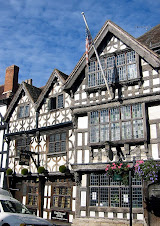
| 1 | H | a | t | h | a | W | a | y | | | | | | | | | |||||
| 2 | | | | | | T | I | t | u | s | | | | | | | | ||||
| 3 | | | | | | E | L | i | z | a | b | e | t | h | | | | ||||
| 4 | | | | | J | u | L | i | u | s | | C | a | e | s | a | r | ||||
| 5 | | | | | | F | I | r | s | t | | F | o | l | i | o | | ||||
| 6 | | | | | | H | A | m | n | e | t | | | | | | | ||||
| 7 | | | | | | | M | a | r | y | | A | r | d | e | n | | ||||
| | | | | | | | | | | | | | | | | ||||||
| 8 | | | | | | | S | t | r | a | t | f | o | r | d | | | ||||
| 9 | | | | | C | H | r | i | s | t | o | p | h | e | r | | |||||
| 10 | | | B | u | r | b | A | g | e | | | | | | | | | ||||
| 11 | | | | | | | K | i | n | g | | L | e | a | r | | | ||||
| 12 | | | | R | o | s | E | | | | | | | | | | | ||||
| 13 | | | | | | | S | u | s | a | n | n | a | | | | | ||||
| 14 | | O | P | h | e | l | i | a | | | | | | ||||||||
| 15 | | | G | l | o | b | E | | | | | | | | | | | ||||
| 16 | | | | | | M | A | c | b | e | t | h | | | | | | ||||
| 17 | | | | | | | R | i | c | h | a | r | d | | | | | ||||
| 18 | | | | O | t | h | E | l | l | o | | | | | | | | ||||
| 1. Surname of William Shakespeare's wife | |||||||||||||||||||||
| 2. The most cruel and bloody of Will's tragedies | |||||||||||||||||||||
| 3. Queen of England during most of Will's life | |||||||||||||||||||||
| 4. Tragedy set in the Roman Empire | |||||||||||||||||||||
| 5. Name of the book which collected Will's plays | |||||||||||||||||||||
| 6. Will's only son | |||||||||||||||||||||
| 7. Will's mother | |||||||||||||||||||||
| 8. Will's hometown | |||||||||||||||||||||
| 9. Name of Will's rival poet. | |||||||||||||||||||||
| 10.Founder of the Theatre | |||||||||||||||||||||
| 11.One of Will's most famous tragedies, in which a king has three daughters. | |||||||||||||||||||||
| 12.A famous theatre close to the Globe | |||||||||||||||||||||
| 13.Will's first daughter | |||||||||||||||||||||
| 14.Hamlet's unfortunate girlfriend | |||||||||||||||||||||
| 15.Will's theatre | |||||||||||||||||||||
| 16.One of Will's famous tragedy . " Out damn spot. Out, I say !" | |||||||||||||||||||||
| 17.Tragedy and name of the king who said " A horse. My kingdom for a horse !". | |||||||||||||||||||||
| 18.Tragedy and name of a man who killed his wife Desdemona for | |||||||||||||||||||||
domingo, 1 de febrero de 2009

domingo, 18 de enero de 2009
Henry and his six wives
Name :Anne Boleyn
Fate :Beheaded at the Tower of London on May 19, 1536 after being charged with adultery.
Children :Elizabeth I
Wife Number : 2
Name :Jane Seymour
Fate :On October 24, 1537, Jane died from complications of childbirth.
Jane is the only one of Henry's wives to share his grave.
Children : Edward VI
Wife Number :3
Name :Anne of Cleves
Fate :Henry divorced her and Anne received a nice sum of money, an estate, and the title of "King's Sister".
Children : None
Wife Number :4
Name :Catherine of Aragon
Fate :Henry divorced her, having their marriaged anulled. Catherine was banished from the kingdom and lived in seclusion until the time of her death.
Children : Mary I
Wife Number : 1
Name :Catherine Parr
Fate :She outlived Henry.On September 7, Catherine died of complications from the childbirth.
Children :None
Wife Number :6
Name :Catherine Howard
Fate : Beheaded at the Tower of London , charged with treason
Children :None
Wife Number : 5
2. Why did Henry marry so many women ?
Throughout his reign King Henry VIII was married six different times. He married for both political and formal reasons.Henry VIII's motive for marriage was to have a male heir to the throne. Some of Henry's actions proved that he would go to any length to have a male child. For example, the beheading of two of his wives and the inhumane treatment of Catherine of Aragon. Henry VIII made a big deal about having a male child to insure the continuance of the House of Tudor.
Fate :Beheaded at the Tower of London on May 19, 1536 after being charged with adultery.
Children :Elizabeth I
Wife Number : 2
Name :Jane Seymour
Fate :On October 24, 1537, Jane died from complications of childbirth.
Jane is the only one of Henry's wives to share his grave.
Children : Edward VI
Wife Number :3
Name :Anne of Cleves
Fate :Henry divorced her and Anne received a nice sum of money, an estate, and the title of "King's Sister".
Children : None
Wife Number :4
Name :Catherine of Aragon
Fate :Henry divorced her, having their marriaged anulled. Catherine was banished from the kingdom and lived in seclusion until the time of her death.
Children : Mary I
Wife Number : 1
Name :Catherine Parr
Fate :She outlived Henry.On September 7, Catherine died of complications from the childbirth.
Children :None
Wife Number :6
Name :Catherine Howard
Fate : Beheaded at the Tower of London , charged with treason
Children :None
Wife Number : 5
2. Why did Henry marry so many women ?
Throughout his reign King Henry VIII was married six different times. He married for both political and formal reasons.Henry VIII's motive for marriage was to have a male heir to the throne. Some of Henry's actions proved that he would go to any length to have a male child. For example, the beheading of two of his wives and the inhumane treatment of Catherine of Aragon. Henry VIII made a big deal about having a male child to insure the continuance of the House of Tudor.
TUDOR'S LONDON
Tudor London can be described as a prosperous, bustling city during the Tudor dynasty. In fact, the population increased from 75,000 inhabitants with Henry VII to 200,000 at the end of the 16th century.
The Tudor monarchs had a royal residence in London called Whitehall Palace and another in the countryside,called Hampton court , after Cardinal Wolsey gave it to Henry VIII.These Tudor kings and queens used what are now famous parks , such as Hyde Park or St. James's Park , as Royal Hunting forests.
Not many Tudor buildings survive today, mostly because of The Great Fire , which happened in 1666. Besides, , the 13 religious houses in London were converted for private use or pulled down for building materials after the Dissolution of the monasteries, which was Henry VIII's most decisive step against the power of the church in 1538. First the small, less powerful houses had their property confiscated and their buildings blighted (made unsuitable for use). They were followed the next year by the large houses.
Philosophical concepts of the power of the king over church may have played a part in Henry's decision to suppress the monasteries, but so did greed. The monasteries were rich, and a lot of that wealth found its way directly or indirectly to the royal treasury. Some of the monastery buildings were sold to wealthy gentry for use as country estates. Many others became sources of cheap building materials for local inhabitants. One of the results of the Dissolution of the Monasteries is that those who bought the old monastic lands were inclined to support Henry in his break with Rome, purely from self interest.
Apart from that, the theatres were banned from the city by the city authorities or guilds because plays wasted workmen's time ( so it wasn't for religious objection to the play's contents ). Then, they were built in the Southwark, where now a reconstruction of the Globe can be visited to learn about Tudor theatre.
At that time, London's financial rival was the city of Amsterdam, and to be able to compete with it , an international exchange was created in 1566.
(It was founded by the mercer Thomas Gresham in 1566 to enable London to compete for financial power with Amsterdam. This became the Royal Exchange in 1560, and is now housed in a massive Victorian building beside the Bank of England Museum in Mansion House Square.)
So, all in all, and because of many other events and facts, we can say that both London and England were powerful.
domingo, 11 de enero de 2009
Poem Romeo
I can see her sensual glaring eyes.
This beauty I can't resist.
Her sweet sent, her wonderful touch,
Her unerasable kiss.
Her blossomed lips I long to caress,
Her face I long to touch.
I never knew for the life of me,
That I would love her so very much.
I don't know what to do,
I don't know what to say.
When will I ever know?
So how do you love a Juliet?
For my name is not Romeo.
Her luscious skin I can taste in
My mind,
And I can feel her in my finger tips.
I want to trace her curves,
Steal her heart,Place my hands upon her hips.
This fire still burns deep within,
There are no doubts or fears.
With her in my life, It always feels right,
And I'll try to erase her tears.
I want to hold her in my arms,
And never let her go.
But how do you love a Juliet?
For my name is not Romeo.
If we would ever part.
I want to be her solar system,
I want to swim in her lust.
I want her to believe in me,
I want to earn back her trust.
I can't believe I was so willing
To ever let her go.So how do you love a Juliet?
For my name is not Romeo.
lunes, 24 de noviembre de 2008

lunes, 17 de noviembre de 2008

The Beatles were a pop and rock band from Liverpool, England formed in 1960. Primarily the band consisted of John Lennon (rhythm guitar, vocals), Paul McCartney (bass guitar, vocals), George Harrison (lead guitar, vocals) and Ringo Starr (drums, vocals). Throughout their career, The Beatles are recognised for leading the mid-1960s musical "British Invasion" into the United States. Although their initial musical style was rooted in 1950s rock and roll and homegrown skiffle, the group explored genres ranging from Tin Pan Alley to psychedelic rock. Their clothes, styles, and statements made them trend-setters, while their growing social awareness saw their influence extend into the social and cultural revolutions of the 1960s. After the band broke up in 1970, all four members embarked upon solo careers
viernes, 7 de noviembre de 2008
Hispanic Voters

Hispanic people prefer Obama than McCain.
Obama won in this secction of poblation with one 64 % and McCain 36 %.
jueves, 6 de noviembre de 2008


lunes, 3 de noviembre de 2008
LOVE WITH LOVE WITH SHAKESPERE
This Blog is about the subject of english in culture with lirics and books in english
lunes, 27 de octubre de 2008
With the reopening of the theaters in 1544, Shakespeares is associated with the companion of Lord Chamberlain and George Champagne joined the campaign of Lord Admiral. is a great opportunity to Shakespeares: in a short month two-year write Romeo and Juliet, sobni the space of one night, Richard II, The Merchant of Venice, The anunciment of Fury.
The goberm only authorizes the children's performances, but these end up taking an even more critical to corrosive than those of adults. Shakespeares criticized this atmosphere in one of the more extensive tragedies that writes Henry IV custom work by a sarcastic and relaxing Falstaff (a persinatje that Shakespeares recupara to winderior happy married to the queen told him that I wanted to see love boto)
three works are for young players decidistes that in the absence of males Senate adopted the role of boys envarcarse released on adventures and thus know the love and happiness.
The 1597 bound for the owner of the land to leave the theater. the night of Christmas in 1598, hiding s'amporten wood theater and bring to the other side of the Thames.
The translation that North Thoms had just taken from Plutarch gives the historic material needed to carry out his situated in rome.
The goberm only authorizes the children's performances, but these end up taking an even more critical to corrosive than those of adults. Shakespeares criticized this atmosphere in one of the more extensive tragedies that writes Henry IV custom work by a sarcastic and relaxing Falstaff (a persinatje that Shakespeares recupara to winderior happy married to the queen told him that I wanted to see love boto)
three works are for young players decidistes that in the absence of males Senate adopted the role of boys envarcarse released on adventures and thus know the love and happiness.
The 1597 bound for the owner of the land to leave the theater. the night of Christmas in 1598, hiding s'amporten wood theater and bring to the other side of the Thames.
The translation that North Thoms had just taken from Plutarch gives the historic material needed to carry out his situated in rome.
lunes, 13 de octubre de 2008
QUESTION 12
THEATRE | THE GLOBE |
COMPANY | LORD ALMIRAL'S MENLORD |
| EDWARD ALLEYN, RICHARD BURBAGE |
| PHILIP HEINSLOWE, THE BURBAGES |
PATRON | HENRY VII |
lunes, 29 de septiembre de 2008
Answers of Shakespeare
1. What was the name of the company Shakespeare belonged to ?
2. How many companies were licensed to perform in London ?
3. Why did Shakespeare's company build the Globe ?
4. What did Shakespeare's company use to build the Globe
?
5. Who built the Globe ?
6. When the Globe was built , there were two other theatres in Southwark already. Which ones ?
7. When was it built ?
8. How and when was it destroyed ?
9. When was it rebuilt ?
10. When was it finally pulled down ? Why ?
11. Explain how acting at the Globe was like.
1. Lord Chamberlain's Men ( Later The King's Men )
2. Two.
3. Shakespeare's company only built the Globe because they could not use the special playhouse that their chief actor Richard Burbage's father had built for them in 1596, a roofed theatre inside the city, in Blackfriars.
James Burbage had a long history as a theatrical entrepreneur. In 1576 he built the first successful amphitheatre, known as The Theatre, in a London suburb. Twenty years later, when the lease on The Theatre's land was about to expire, he built the Blackfriars as its replacement. But the wealthy residents of Blackfriars got the government to block its use for plays, so his capital was locked up uselessly.
4. The Theatre had closed, ostensibly for good, in 1597, and the owner of the land on which it stood threatened to pull the building down once the lease had expired. The Burbages and their associates anticipated the threat, however, and in late 1598 dismantled The Theatre and carried the materials to Bankside (a district of Southwark stretching for about half a mile west of London Bridge on the south bank of the River Thames).
Without The Theatre, the company had to rent a playhouse. Then at the end of 1598 they decided to build one for themselves. The shortage of cash made the consortium reluctant traditionalists, giving up the idea of an indoor theatre in the city and using the old Theatre's timbers and therefore the same basic auditorium shape for the new building. The old playhouse was one of their few remaining resources. They could not use it in situ because the lease had expired, so they dismantled it and took the timbers (illegally) to make the skeleton of their new amphitheatre. The Globe was a cut-price and fortuitous construction.
5. It was built by two brothers, Cuthbert and Richard Burbage, who inherited its predecessor, The Theatre, from their father, James.
6. The Swan and The Rose
7. It was probably completed by the autumn of 1599 .
8. In 1613, during a performance of Henry VIII, the thatch of the Globe was accidentally set alight by a cannon, set off to mark the King's entrance onstage in a scene at Cardinal Wolsey's palace. The entire theatre was destroyed within the hour.
9. By June 1614 it had been rebuilt, this time with a tiled gallery roof and a circular shape.
10. It was pulled down in 1644, two years after the Puritans closed all theatres, to make way for tenement dwellings.
11. Acting at the Globe was radically different from viewing modern Shakespeare on screen.
The plays were staged in the afternoons, using the light of day. Therefore, all references to weather or time of the day had to be given to the audience through the text.
The audience surrounded the stage on all sides. No scenery was used, except for occasional emblematic devices like a throne or a bed. It was almost impossible not to see the other half of the audience standing behind the players. Consequently much of the staging was metatheatrical, conceding the illusory nature of the game of playing, and making little pretense to stage realism .
2. How many companies were licensed to perform in London ?
3. Why did Shakespeare's company build the Globe ?
4. What did Shakespeare's company use to build the Globe
?
5. Who built the Globe ?
6. When the Globe was built , there were two other theatres in Southwark already. Which ones ?
7. When was it built ?
8. How and when was it destroyed ?
9. When was it rebuilt ?
10. When was it finally pulled down ? Why ?
11. Explain how acting at the Globe was like.
1. Lord Chamberlain's Men ( Later The King's Men )
2. Two.
3. Shakespeare's company only built the Globe because they could not use the special playhouse that their chief actor Richard Burbage's father had built for them in 1596, a roofed theatre inside the city, in Blackfriars.
James Burbage had a long history as a theatrical entrepreneur. In 1576 he built the first successful amphitheatre, known as The Theatre, in a London suburb. Twenty years later, when the lease on The Theatre's land was about to expire, he built the Blackfriars as its replacement. But the wealthy residents of Blackfriars got the government to block its use for plays, so his capital was locked up uselessly.
4. The Theatre had closed, ostensibly for good, in 1597, and the owner of the land on which it stood threatened to pull the building down once the lease had expired. The Burbages and their associates anticipated the threat, however, and in late 1598 dismantled The Theatre and carried the materials to Bankside (a district of Southwark stretching for about half a mile west of London Bridge on the south bank of the River Thames).
Without The Theatre, the company had to rent a playhouse. Then at the end of 1598 they decided to build one for themselves. The shortage of cash made the consortium reluctant traditionalists, giving up the idea of an indoor theatre in the city and using the old Theatre's timbers and therefore the same basic auditorium shape for the new building. The old playhouse was one of their few remaining resources. They could not use it in situ because the lease had expired, so they dismantled it and took the timbers (illegally) to make the skeleton of their new amphitheatre. The Globe was a cut-price and fortuitous construction.
5. It was built by two brothers, Cuthbert and Richard Burbage, who inherited its predecessor, The Theatre, from their father, James.
6. The Swan and The Rose
7. It was probably completed by the autumn of 1599 .
8. In 1613, during a performance of Henry VIII, the thatch of the Globe was accidentally set alight by a cannon, set off to mark the King's entrance onstage in a scene at Cardinal Wolsey's palace. The entire theatre was destroyed within the hour.
9. By June 1614 it had been rebuilt, this time with a tiled gallery roof and a circular shape.
10. It was pulled down in 1644, two years after the Puritans closed all theatres, to make way for tenement dwellings.
11. Acting at the Globe was radically different from viewing modern Shakespeare on screen.
The plays were staged in the afternoons, using the light of day. Therefore, all references to weather or time of the day had to be given to the audience through the text.
The audience surrounded the stage on all sides. No scenery was used, except for occasional emblematic devices like a throne or a bed. It was almost impossible not to see the other half of the audience standing behind the players. Consequently much of the staging was metatheatrical, conceding the illusory nature of the game of playing, and making little pretense to stage realism .
lunes, 22 de septiembre de 2008
New sections in the web
In this web are a new sections, the photo of Shakespeare, where you can click and open a web where there is a information of this artist.
The other new section is the presentation of Shakespeare, whe you can see many the photos to William Shakespeare.
The third new section is the news of William Shakespeare.
You can find all this sections at the left to the web.
The other new section is the presentation of Shakespeare, whe you can see many the photos to William Shakespeare.
The third new section is the news of William Shakespeare.
You can find all this sections at the left to the web.
Suscribirse a:
Entradas (Atom)